Top Trends in Quilting for 2026: What to Know

Updated: Mar 26
March 26, 2026
Quilting is more than just a craft; it's a form of expression, a way to connect with tradition, and a means to create something beautiful and functional. As we step into 2026, the quilting community is buzzing with fresh ideas and innovative techniques that are reshaping the landscape of this beloved hobby. Whether you're a seasoned quilter or just starting out, understanding the latest trends can inspire your next project and enhance your skills.
The Rise of Sustainable Quilting
In recent years, sustainability has become a significant focus across various industries, and quilting is no exception. Many quilters are now prioritizing eco-friendly materials and practices. Here are some key aspects of this trend:
Organic Fabrics: Quilters are increasingly choosing organic cotton and other sustainable fabrics. These materials are grown without harmful pesticides and chemicals, making them a healthier choice for both the environment and the quilter.
Upcycling: Many quilters are embracing upcycling, using old clothing or fabric scraps to create new quilts. This not only reduces waste but also adds a unique character to each piece.
Natural Dyes: The use of natural dyes derived from plants, fruits, and vegetables is gaining popularity. These dyes are not only environmentally friendly but also produce beautiful, rich colors.
Bold Colors and Patterns
2026 is seeing a resurgence of bold colors and striking patterns in quilting. This trend encourages quilters to step outside their comfort zones and experiment with vibrant hues and intricate designs. Here’s what to look for:
Color Blocking: This technique involves using large blocks of solid colors to create a modern and graphic look. It’s a great way to showcase your favorite fabrics and make a statement.
Geometric Designs: Geometric patterns are making a comeback, with many quilters opting for sharp lines and angles. These designs can be both contemporary and timeless, appealing to a wide range of tastes.
Mixing Patterns: Don’t be afraid to mix and match different patterns. Combining florals with stripes or polka dots can create a playful and dynamic quilt that stands out.

Technology in Quilting
As technology continues to evolve, so does the quilting process. Many quilters are embracing new tools and techniques that enhance their creativity and efficiency. Here are some technological advancements to consider:
Digital Fabric Printing: This allows quilters to create custom fabrics with their own designs. Whether you want to print a family photo or a unique pattern, digital printing opens up endless possibilities.
Quilting Software: There are various software programs available that help quilters design their projects digitally. These tools can assist in planning layouts, calculating fabric requirements, and even simulating how the finished quilt will look.
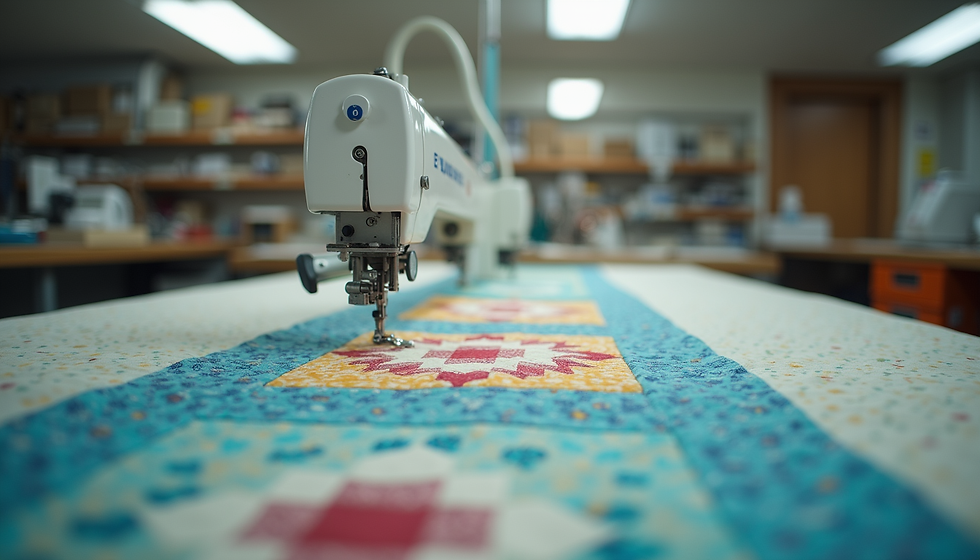
Longarm Machines: For those looking to take their quilting to the next level, longarm quilting machines offer precision and speed. These machines can handle larger quilts and provide professional-quality results.
Community and Collaboration
Quilting has always been a communal activity, and in 2026, this sense of community is stronger than ever. Here are some ways quilters are coming together:
Quilt-Alongs: Many quilting groups are organizing quilt-alongs, where participants work on the same project simultaneously. This fosters a sense of camaraderie and allows quilters to share tips and techniques.
Online Workshops: With the rise of virtual learning, online workshops have become a popular way for quilters to learn new skills from the comfort of their homes. These workshops often feature expert instructors and cover a wide range of topics.
Social Media Groups: Platforms like TikTok and Facebook have become hubs for quilters to connect, share their work, and inspire each other. Joining these groups can provide motivation and a sense of belonging.
Minimalism and Modern Aesthetics
While bold colors and patterns are trending, there is also a growing appreciation for minimalism in quilting. This approach emphasizes simplicity and clean lines, appealing to those who prefer a more understated style. Key elements of this trend include:
Neutral Palettes: Quilts featuring soft, neutral colors create a calming effect and can easily fit into any home decor.
Simple Shapes: Minimalist quilts often utilize basic shapes like squares and triangles, focusing on the beauty of the fabric rather than intricate designs.
Negative Space: This technique involves leaving areas of the quilt unsewn, allowing the fabric to breathe and creating a modern look.
Embracing Cultural Heritage
Quilting is a craft rich in history and tradition, and many quilters are now exploring their cultural heritage through their work. This trend encourages quilters to incorporate elements from their backgrounds, resulting in unique and meaningful pieces. Here are some ways to embrace cultural heritage in quilting:
Traditional Patterns: Many cultures have their own quilting patterns and techniques. Researching and incorporating these into your work can create a beautiful homage to your roots.
Storytelling: Quilts can tell stories, whether personal or cultural. Consider creating a quilt that reflects your family history or significant life events.
Collaboration with Artisans: Partnering with artisans from different cultures can lead to exciting collaborations that blend techniques and styles.
Conclusion
As we explore the top trends in quilting for 2026, it's clear that this craft is evolving in exciting ways. From sustainable practices to bold colors and the integration of technology, there is something for everyone in the quilting community. Whether you choose to embrace these trends or stick to traditional methods, the most important aspect is to enjoy the process and express your creativity.
So, gather your fabrics, connect with fellow quilters, and let your imagination run wild. The world of quilting is waiting for you to make your mark!


Comments